Mert Yentur

Personal files
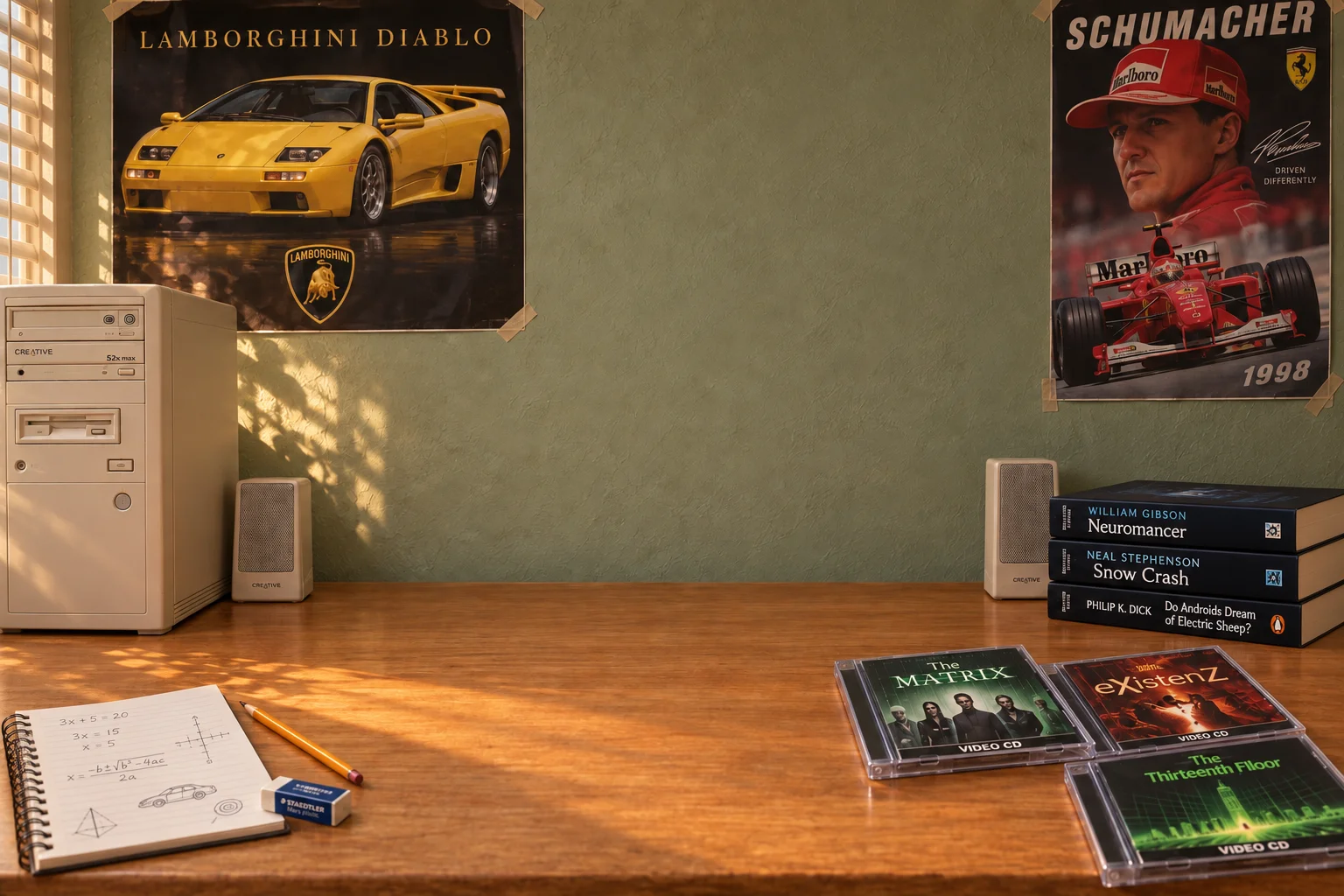
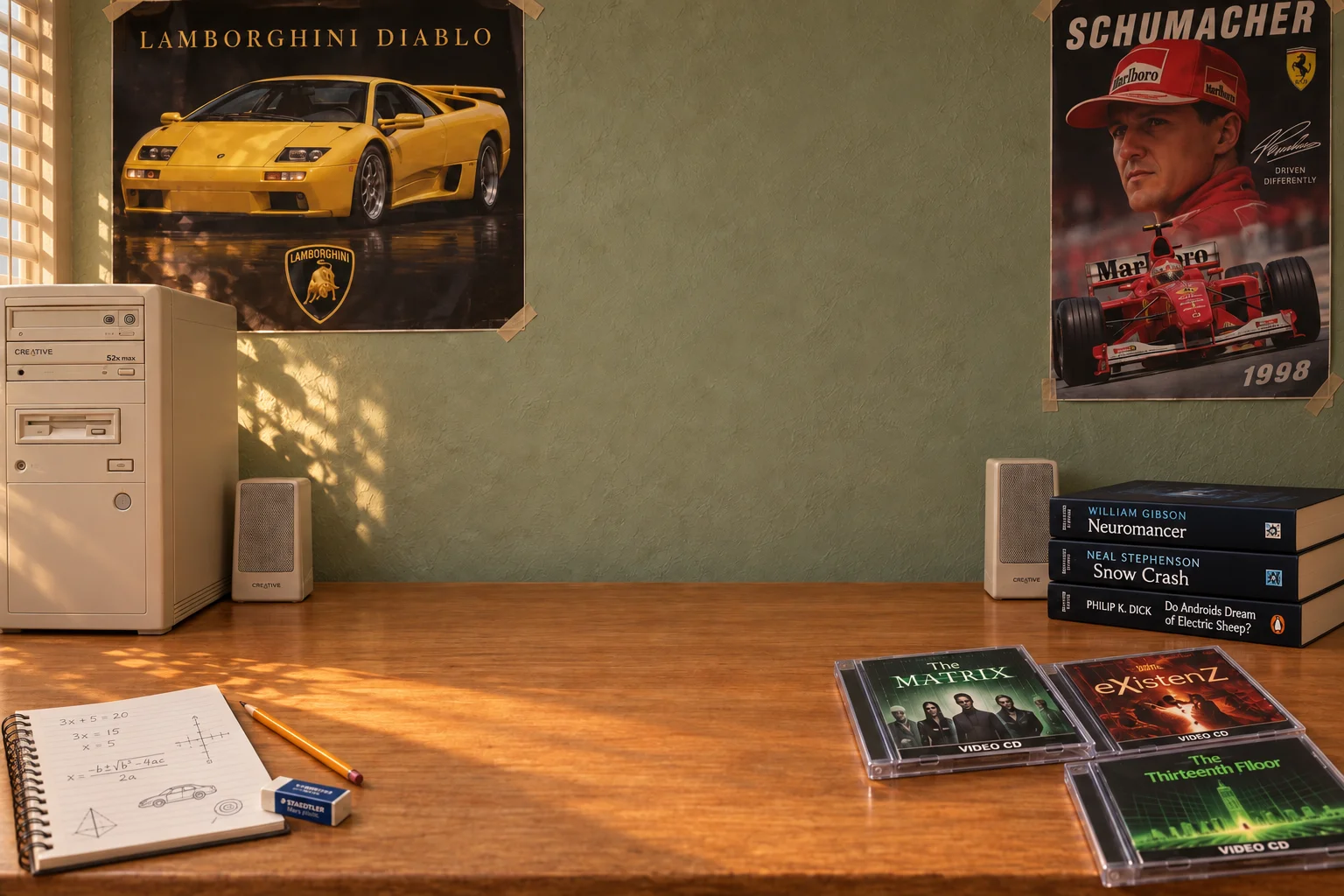
A 1999 bedroom desk with Lamborghini Diablo and Michael Schumacher posters, Neuromancer and science fiction books, and The Matrix, eXistenZ and The Thirteenth Floor VCDs.
There’s more below

Mert Yentur / An ongoing exhibition

Make it
happen.

Computers. Brains. Companies.
Things I couldn’t leave as ideas.

Walk through the years
Founded Pitcher in 2010, grew it to eight-figure ARR and sold it in 2022. Now building AUGE.

Mert Yentur: MAKE IT
HAPPEN.

I’m Mert. I turn difficult ideas
into products people can use.

ZÜRICH, SWITZERLAND
APPLIED AI · PRODUCT ENGINEERING
A WORK IN PROGRESS. ALWAYS.
APPLIED AIRAPID PROTOTYPINGSYSTEMS THAT WORKPERPETUAL CURIOSITY

From idea
to shipped product.

I turn open-ended problems into working products.

I work across problem definition, system architecture and rapid prototyping, then keep going through integration, debugging and launch. I’m especially useful when the direction isn’t obvious yet.

That’s the thread from reverse-engineering the iPhone in 2007, through Pitcher’s first iPad prototype, to the products I ship at AUGE. Sometimes I build directly; sometimes I direct AI agents or work with a production team. I own the architecture and the decisions, and I’m responsible for making the result useful.

  1. 01

    Find the real problem.

    Turn an interesting idea into a specific question. Decide what would make the answer useful.

  2. 02

    Build the critical path.

    Choose the architecture. Make the difficult part work in a prototype people can try.

  3. 03

    Find what breaks.

    Follow the failure through the system. Debug the assumptions as well as the implementation.

  4. 04

    Ship and learn.

    Get the product into people’s hands. Use what you learn to improve it and decide what comes next.

Same approach.
Three places to use it.

I’ve built this way at Pitcher and AUGE. Now I’m extending it into model work, going deeper into Python, PyTorch and LLM training.

MODEL WORK / IN PROGRESS

Pre-training

Turn a question about data, architecture or a training objective into a small experiment. Connect the data pipeline to the training process, establish a baseline, and make failures understandable before a larger run.

THE DELIVERABLEA reproducible experiment
with a clear conclusion.
MODEL WORK / IN PROGRESS

Post-training

Start with a behavior that needs to improve. Define examples and evaluation criteria, prototype a focused fine-tuning or feedback experiment, and compare it with the starting model on held-out cases.

THE DELIVERABLEA comparison of model behavior
with the tradeoffs visible.
PRODUCT WORK / BUILT & SHIPPED

Real applications

Connect models, data, interfaces and real-world constraints into something people can use. Work through state, latency, context and failure modes until the product works reliably.

THE DELIVERABLEA product people can use,
with the system behind it.
SEE IT IN THE WORK

Made to leave
the drawing board.

Most of these started as something
I wanted in my own life.
Currently at AUGE

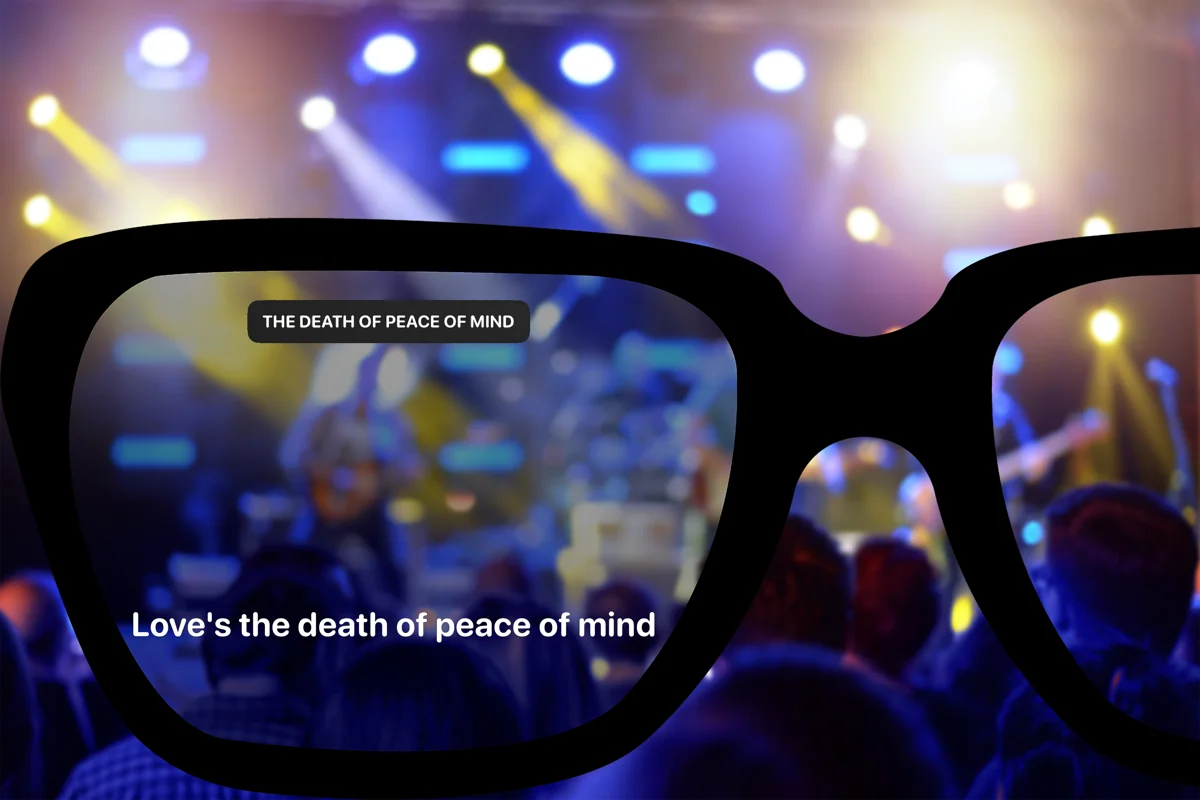
Beyond Chorus concept: synchronized lyrics through smart glasses at a concert
AUGE / 001LIVE
A little closer
to the music.
MUSIC · REAL-TIME SYSTEMS · XR

Beyond Chorus

I like metal. I like singing along. Understanding the vocals is a separate engineering problem. Beyond Chorus puts the lyrics where I can see them.

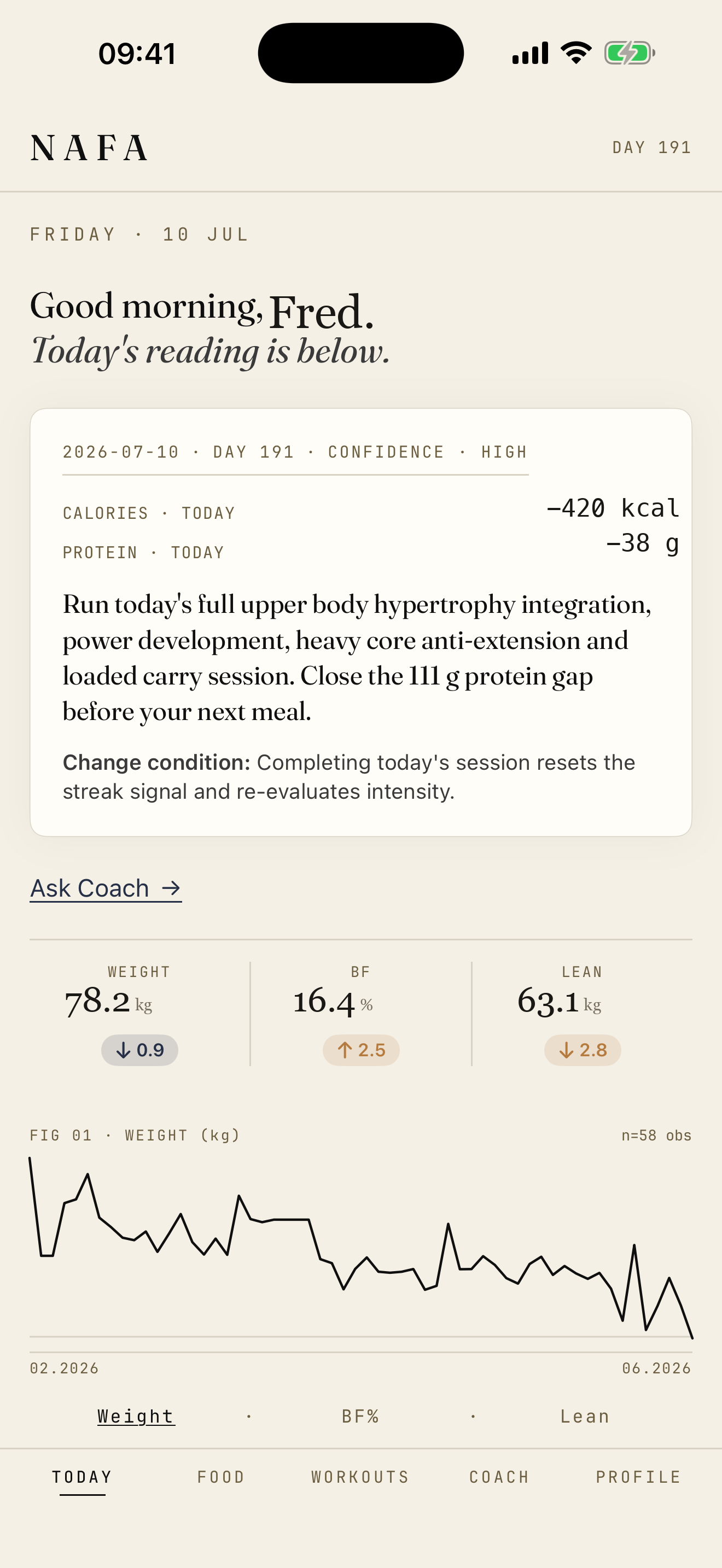
AUGE / 002LIVE NAFA daily training and nutrition dashboard
HEALTH DATA · BRING YOUR OWN AGENT · iOS

NAFA

I’ve trained since I was 16. NAFA keeps logging and tracking fast, then gives your chosen agent a structured picture of your progress. Your agent handles the interpretation and planning.

AUGE / 003LIVE Less brain rot.
More curiosity.
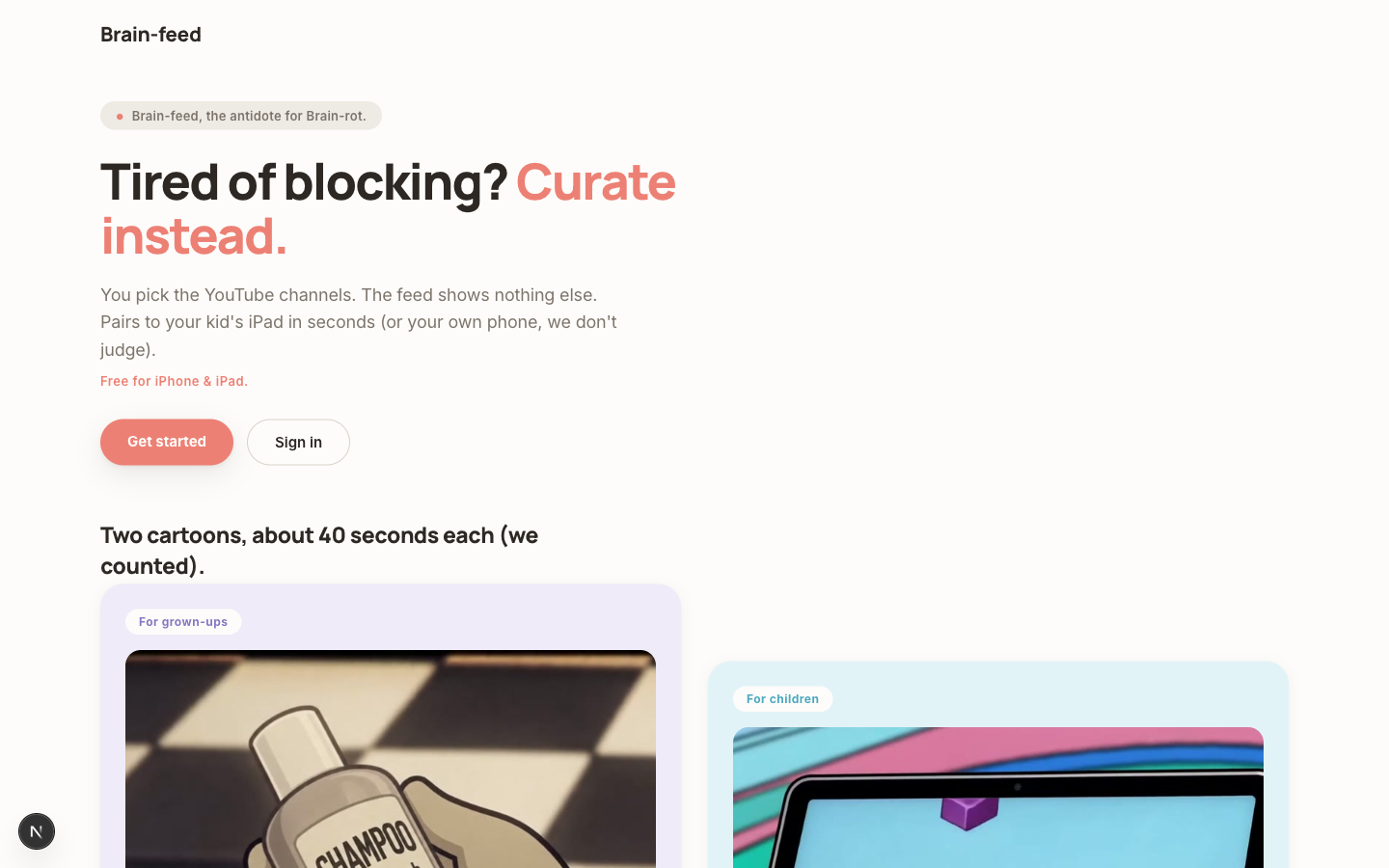
Brain-feed channel curation website
FAMILY SOFTWARE · iOS · AGENT EXPERIMENTS

Brain-feed

Built for my son. Used by me too. Blocking fights the feed and loses, so Brain-feed curates instead: you pick the channels, and the feed shows nothing else.

AUGE / 004 · LIVE

Your podcasts.
Your car.
Your RSS.

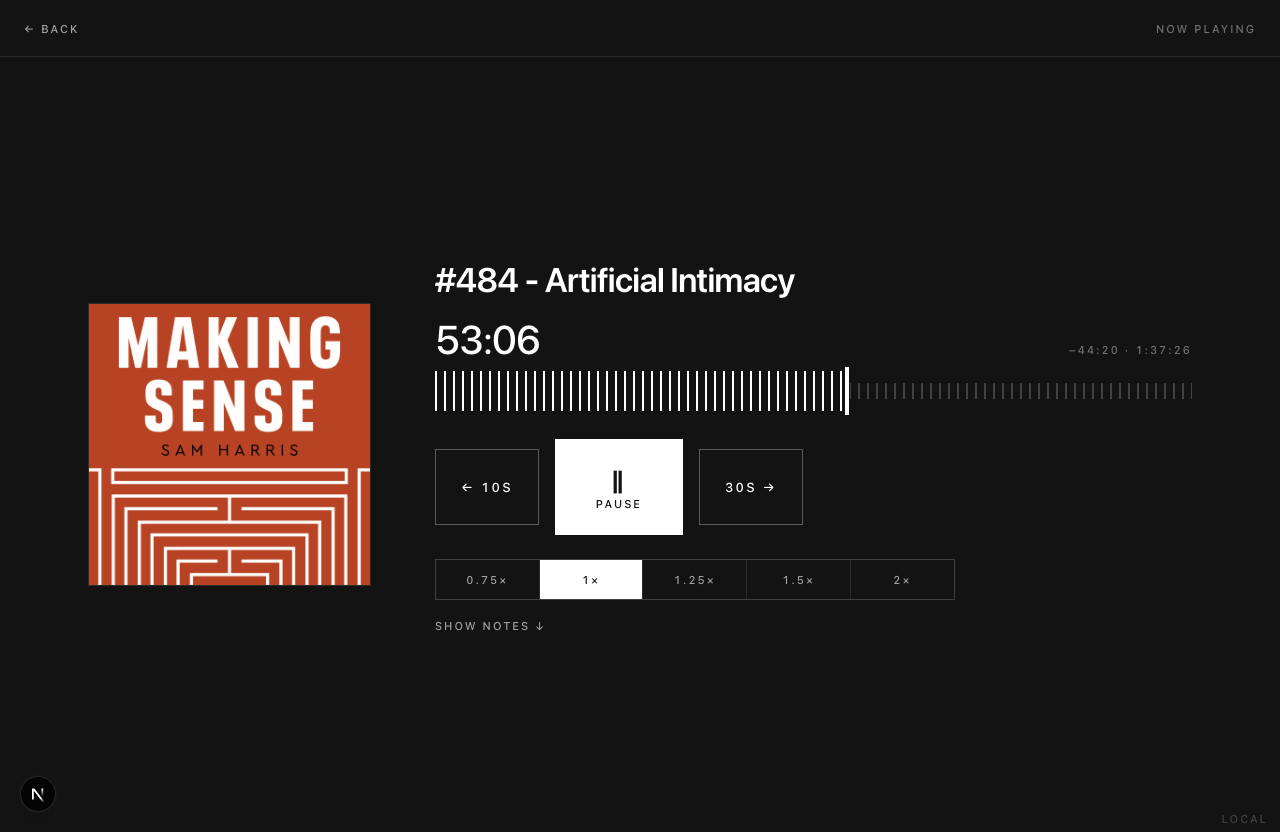
Roadcast brings private subscription feeds to the car browser. Open it. Add a feed. Drive with your queue.

Explore Roadcast
Roadcast browser podcast player
STILL ON THE WORKBENCH

The next things
I wanted to exist.

05

Time Sloths

A family day planner in ten-minute blocks.

IN DEVELOPMENT
06

Boxing Stash

A memory for where you put your stuff.

IN DEVELOPMENT

One iPad.
A much bigger
story.

pitcher

I founded Pitcher in 2010 and built its first prototype. I was CEO for eleven years, its lead salesperson and an engineer on the product. I grew the company to eight-figure ARR and sold it in 2022. I stayed on as CEO of a 150-person team, then as Chief Innovation Officer until 2025.

I built and maintained the iOS app, the conversion engine and the analytics engine for most of that run. When the engineering team rebuilt the core platform for Pitcher NG, I returned to building the next version from the ground up.

Offline presentations. CRM. Remote detailing. Then a new platform. Fifteen years of turning the next difficult problem into something tangible.

2010

Build the
first prototype.

2020

Move the meeting
into the browser.

2022

Sold at
eight-figure ARR.

NG

Reimagine the
platform underneath.

PUBLIC CUSTOMER STORIESMondelēz Penguin Random House

Silicon eyes.
Electronic ears.
Human questions.

INSTITUTE OF NEUROINFORMATICS / UZH & ETH ZÜRICH

I wanted to understand how brains work. And, somewhere along the way, what consciousness is. Apparently, building software wasn’t enough of a rabbit hole.

That took me to the Institute of Neuroinformatics in Zürich in 2008, to study computational neuroscience and neuromorphic engineering: electronic systems that borrow ideas from nervous systems, down to the way circuits sense and communicate.

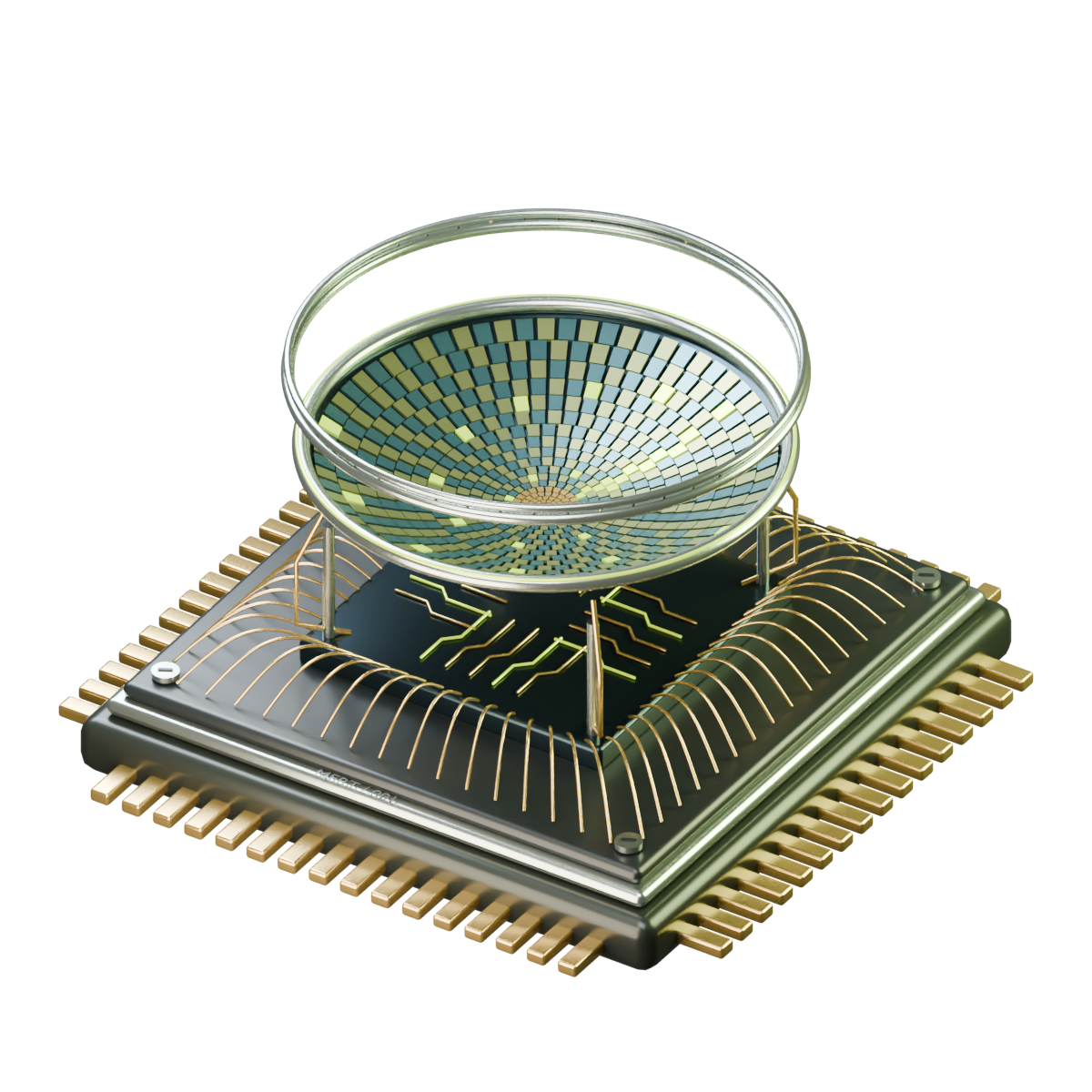
I explored silicon retina and silicon cochlea systems. My project work included experiments with a foveal vision sensor, looking for practical ways to observe people and vehicles. The question was already: what can we make with this?

01 / SIGHTLIGHT → EVENTS
MOVING EDGE →BRIGHTNESS-CHANGE EVENTS

Silicon retina

In an event-based retina such as the Dynamic Vision Sensor, individual pixels report local changes in brightness as they happen. Each event carries a location and a time. A moving edge becomes a stream of activity, without waiting for the next full camera frame.

02 / HEARINGSOUND → SPIKES
SOUND INFREQUENCY CHANNELS / TIME →

Silicon cochlea

A silicon cochlea takes inspiration from the inner ear, separating sound into frequency channels. Event-based versions encode activity as precisely timed spikes. Sight and sound become signals that other circuits can process as events arrive.

CONCEPTUAL DIAGRAMS · NOT ORIGINAL LAB DATAExplore the sensors at INI
THE QUESTION CAME WITH ME

From sensing the world
to adding something to it.

Back then, the practical applications were still years away. I completed the coursework, then chose building over finishing the degree: I wanted to make things people could use. Pitcher came next.

The fascination with perception stayed. AUGE means “eye” in German. Today, that curiosity shows up in a different form: lyrics in smart glasses, software that connects what you hear with what you see, information that belongs in the moment. Different technology. A familiar itch.

Back to what I’m building now

I like the part
where it doesn’t
exist yet.

MY DEFINITION OF SUCCESS

That’s the number I want to optimize.

Both my parents are engineers. My father introduced me to computers with AutoCAD. I was seven. Apparently, crayons were too straightforward.

I drew talking-animal cartoons, made a magazine and handed it out at school with bubblegum attached. My father printed the copies at his office. The distribution strategy was edible.
Ankara, a computer engineering degree at Istanbul Technical University, then Zürich. WebObjects, an iPod simulator, then the iPhone: in November 2007, I reverse-engineered it before the SDK or the App Store existed and built Crossy, a snow globe app driven by the accelerometer, one of the first native iPhone apps. Silicon retina experiments, then Pitcher. The tools kept changing. The satisfaction of making something work didn’t.

After fifteen years at Pitcher, I’m building AUGE around problems in my own life. I choose the problem, decide how the product should behave, direct the work and keep pushing until it works that way.

I still like questions that don’t have tidy answers. I’m learning to build a small language model. Apparently, even my downtime needs an unresolved problem.

M.E.R.T. / UNOFFICIAL SPECIFICATION

Making Engineering Ridiculously Tangible.

The name came first. Obviously.
HOW I WORKFind the problem.Make it tangible.Learn. Repeat.
STACKiOS (Objective-C) · Node.js · Vue · React / Next.js · PostgreSQL · Redis · AWS · HealthKit · Three.js · Python · PyTorch · Claude Agent SDK
EDUCATIONComputer engineering degree, Istanbul Technical University · Computational neuroscience and neuromorphic engineering, Institute of Neuroinformatics, UZH & ETH Zürich

A hard problem. A small team. Something worth shipping.

Let’s build
something
mert@mertyentur.com